What Areas of a Commercial Building Require the Most Frequent Cleaning?
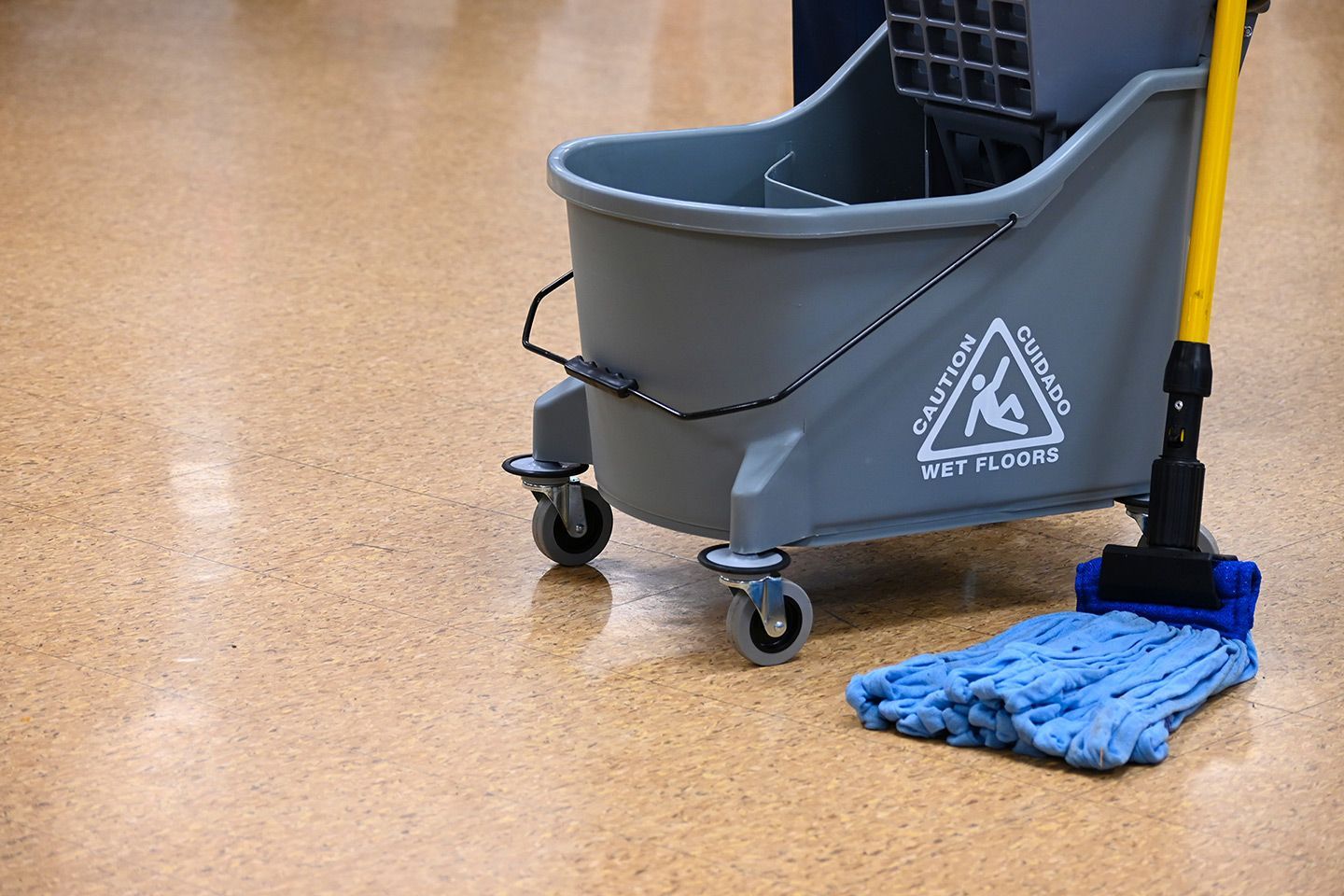
Table of Contents
- Introduction
- Entrances, Lobbies, and Reception Areas
- Restrooms and Washroom Facilities
- Shared Workspaces and Offices
- Break Rooms, Kitchens, and Eating Areas
- High-Touch Surfaces Throughout the Building
- Floors and Carpets in High-Traffic Areas
- Waste and Recycling Areas
- Conclusion
- Book Commercial Cleaning Services
- Frequently Asked Questions
Key Takeaways
- Entrances, restrooms, and shared spaces require the most frequent commercial building cleaning due to constant use.
- High-touch surfaces are a priority for office disinfection and hygiene management.
- Cleaning frequency should reflect foot traffic, building use, and health considerations.
- A structured commercial cleaning checklist helps maintain consistency and accountability.
- Regular cleaning supports safety, appearance, and long-term facility maintenance.
Introduction
The areas of a commercial building that require the most frequent cleaning are those with high foot traffic, frequent hand contact, and shared use, such as entrances, restrooms, workspaces, and common areas. These spaces accumulate dirt, germs, and wear more quickly than low-traffic areas. For business owners, facility managers, and property managers, understanding cleaning priorities helps protect occupant health, maintain professional standards, and support efficient building operations. Many facilities rely on commercial building cleaning providers such as MT Cleaning to maintain consistency and address high-risk areas effectively.
Commercial building cleaning is not about constant deep cleaning everywhere. Instead, it involves prioritising areas where cleanliness has the greatest impact on hygiene, safety, and daily functionality, often guided by a structured commercial cleaning checklist.
Entrances, Lobbies, and Reception Areas
Why These Areas Matter
Entrances and lobbies are the first point of contact for employees, clients, and visitors. They experience continuous foot traffic throughout the day and are often a central focus of commercial building cleaning routines.
Key Cleaning Considerations
- Dirt, moisture, and debris are tracked in from outside
- Door handles, railings, and counters are frequently touched
- Floors show wear quickly, especially during winter or wet seasons in Billings, MT
Recommended Cleaning Frequency
Daily cleaning is typically appropriate for floors, glass doors, and touchpoints. Spot cleaning during the day may be needed in busy buildings, particularly those following a detailed commercial cleaning checklist for public-facing areas.
Keeping these areas clean supports safety by reducing slip hazards and creates a professional first impression without relying on cosmetic enhancements.
Restrooms and Washroom Facilities
High Hygiene Risk Areas
Restrooms consistently require the most frequent and detailed cleaning in any commercial cleaning checklist. They are shared by many users and involve direct contact with surfaces that can harbour bacteria, making them a top priority for commercial building cleaning teams.
Focus Areas
- Toilets, urinals, and sinks
- Faucet handles and soap dispensers
- Door locks, light switches, and paper towel dispensers
Cleaning and Office Disinfection Needs
Restrooms usually require daily cleaning, with some facilities benefiting from multiple cleanings per day depending on occupancy. Office disinfection practices often prioritise restrooms due to health expectations and compliance considerations.
Clear documentation and routine checks help ensure standards are consistently met.
Shared Workspaces and Offices
Changing Use Patterns
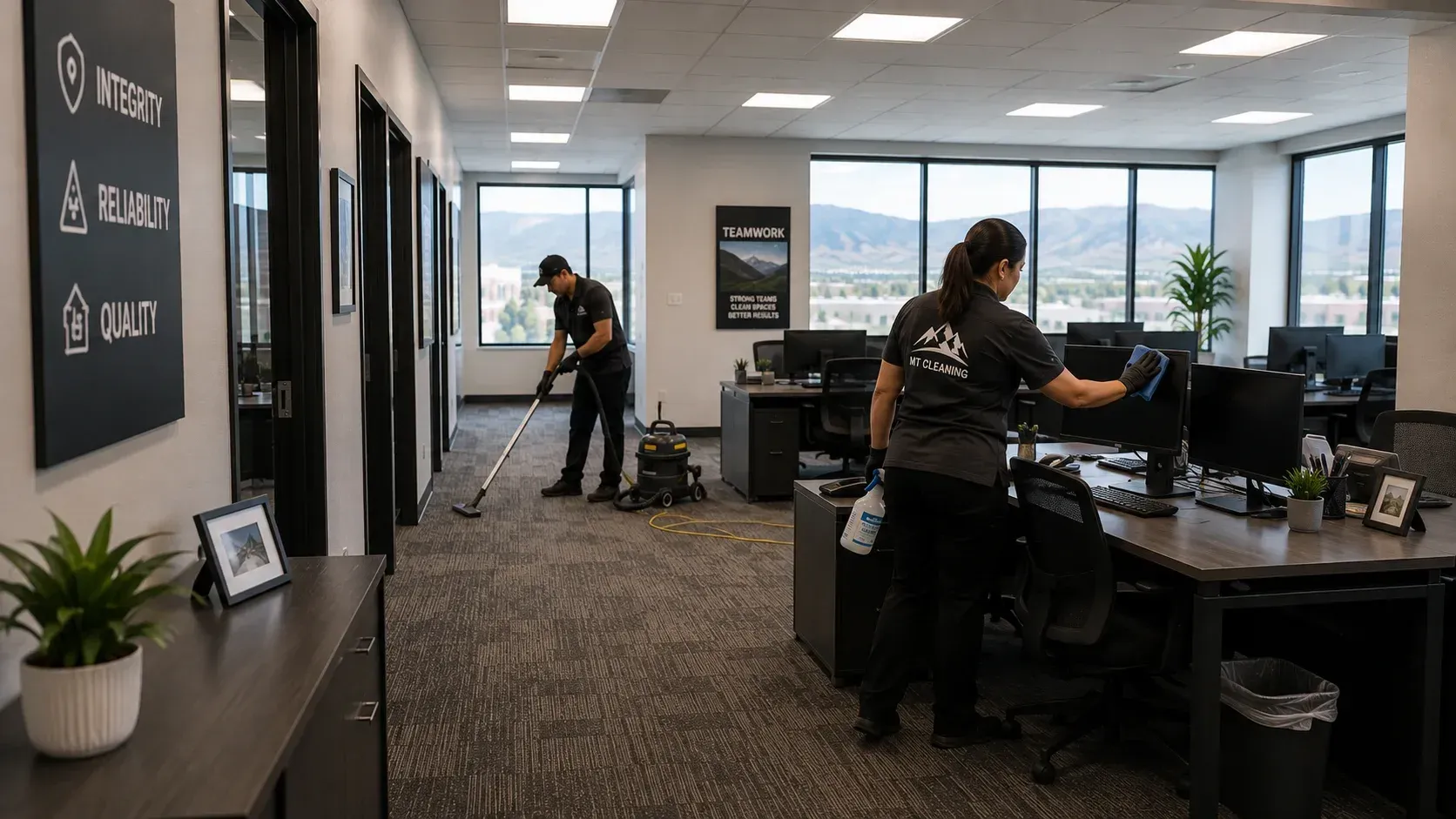
Modern offices often include shared desks, meeting rooms, and collaborative areas. These spaces are used by multiple people throughout the day and are commonly addressed in professional commercial building cleaning plans.
Cleaning Priorities
- Desktops and tables
- Conference room surfaces
- Shared equipment such as phones and printers
Frequency Guidance
General cleaning is often done daily or several times per week, while high-touch items may require more frequent attention. Office disinfection focuses on reducing surface contamination rather than sterilisation.
This approach balances cleanliness with practical use and avoids unnecessary disruption.
Break Rooms, Kitchens, and Eating Areas
Food-Related Risks
Break rooms and kitchens present unique challenges due to food preparation, storage, and waste, making them a regular focus within a commercial cleaning checklist.
Areas Requiring Attention
- Countertops and tables
- Appliance handles (microwaves, refrigerators)
- Sinks and shared utensils
Cleaning Considerations
Daily cleaning is typically recommended for surfaces and sinks. Waste removal should occur regularly to avoid odours and pest concerns.
These spaces benefit from clear usage guidelines combined with consistent commercial building cleaning to support employee wellbeing.
High-Touch Surfaces Throughout the Building
What Counts as High-Touch?
High-touch surfaces are items handled frequently by multiple people, often without conscious awareness. These areas are central to both commercial building cleaning and office disinfection strategies.
Common Examples
- Door handles and push plates
- Light switches
- Elevator buttons and handrails
Office Disinfection Focus
These surfaces contribute significantly to surface-level contamination. Cleaning frequency may range from daily to multiple times per day in busy environments, especially in shared or public-access buildings.
Prioritising these areas allows cleaning efforts to focus where they are most impactful.
Floors and Carpets in High-Traffic Areas
Wear and Soil Accumulation
Floors in hallways, entrances, and common paths show dirt faster than those in private offices, making them a consistent item on any commercial cleaning checklist.
Cleaning Methods
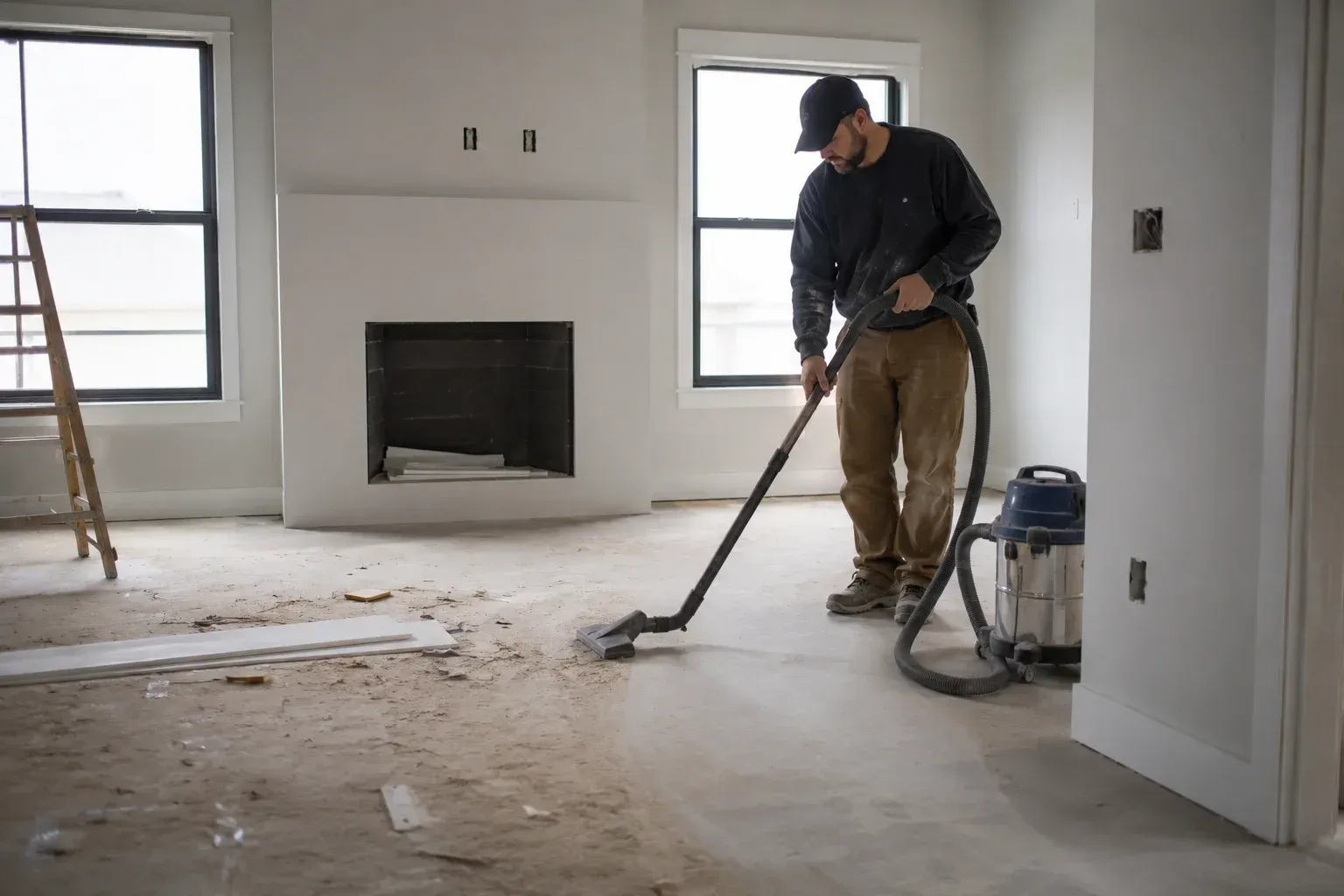
- Daily sweeping or vacuuming
- Regular mopping or surface cleaning
- Periodic deep cleaning based on material type
Long-Term Maintenance
Consistent floor care helps preserve materials and reduces long-term repair needs. This is a key consideration for property managers managing operating budgets and coordinating commercial building cleaning schedules.
Waste and Recycling Areas
Overlooked but Important
Waste areas are often out of sight but play a significant role in hygiene and building condition.
Cleaning Needs
- Regular emptying of bins
- Cleaning around waste stations
- Managing spills or leaks promptly
Neglecting these areas can affect indoor air quality and attract pests, making them a necessary part of any structured commercial cleaning checklist.
Conclusion
The areas of a commercial building that require the most frequent cleaning are those most exposed to people, contact, and daily activity. Entrances, restrooms, shared workspaces, high-touch surfaces, and food areas consistently rank as top priorities.
By understanding these needs, business owners and facility managers can make informed decisions about commercial building cleaning schedules that support health, safety, and operational efficiency without unnecessary excess.
Book Commercial Cleaning Services
If you are reviewing cleaning priorities for a facility in Billings, MT, professional guidance can help clarify appropriate cleaning frequencies and responsibilities.
MT Cleaning provides commercial cleaning services designed to support informed facility management decisions. More information is available through their
commercial cleaning services in Billings page, or by
contacting the team directly for general questions and scheduling clarity.
Frequently Asked Questions
How often should commercial buildings be cleaned?
Cleaning frequency depends on building size, occupancy, and use. High-traffic areas typically require daily attention, while low-use spaces may need less frequent cleaning.
What is included in a commercial cleaning checklist?
A checklist usually covers floors, restrooms, surfaces, waste removal, and high-touch areas. It helps ensure consistency and accountability.
Is office disinfection different from regular cleaning?
Yes. Office disinfection focuses more on reducing surface-level germs on high-touch areas, while regular cleaning also addresses appearance and debris.
Do all businesses need daily restroom cleaning?
Most shared restrooms benefit from daily cleaning, but frequency may increase with higher usage or public access.
How does cleaning support workplace health?
Regular cleaning reduces the buildup of dirt and contaminants, supporting a healthier indoor environment.
Related Posts