How Soon After Construction Is Finished Should You Schedule a Post-Construction Cleaning in Billings?
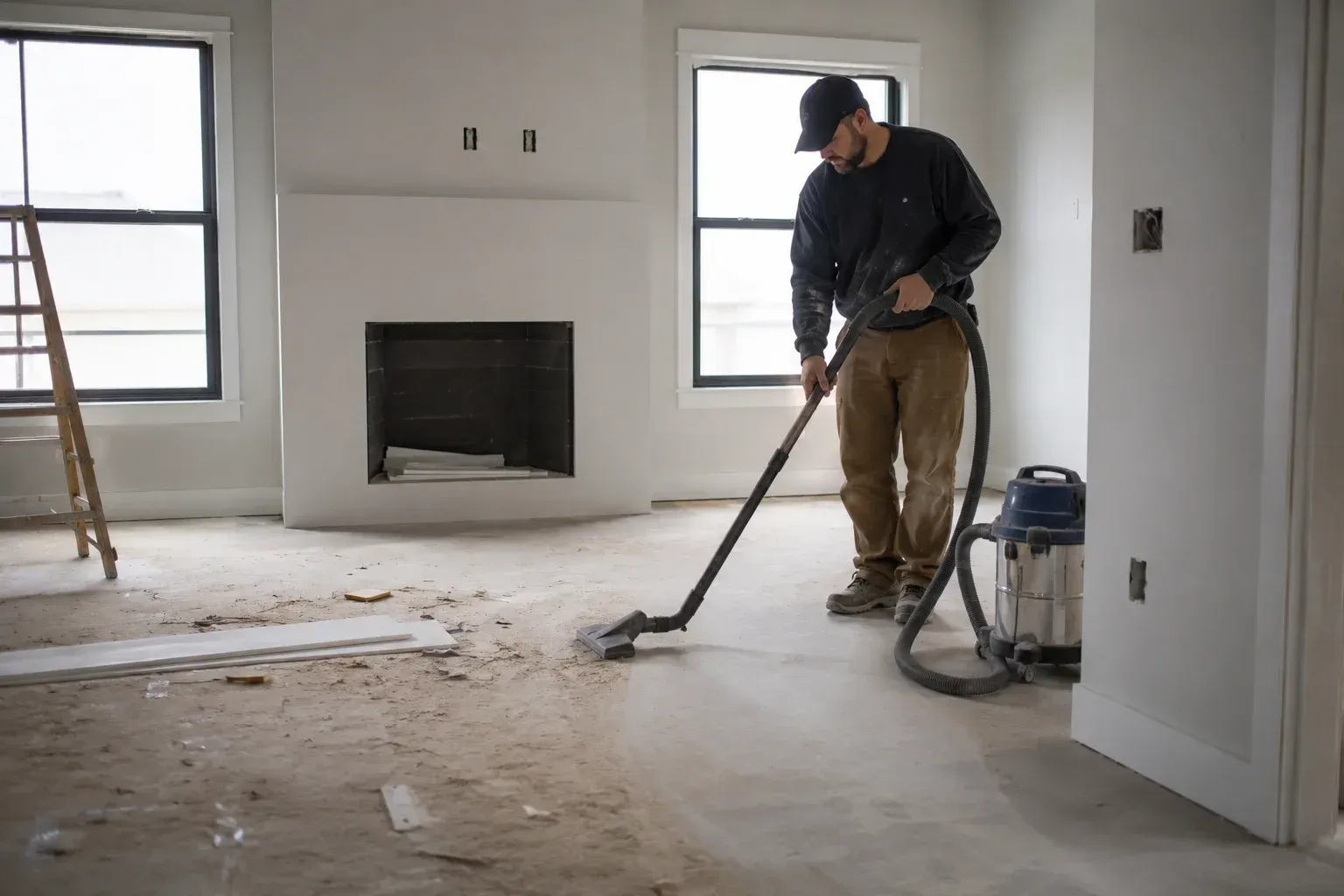
Table of Contents
- When Should You Schedule Post-Construction Cleaning?
- Why Timing Matters More Than People Expect
- What Needs to Be Finished Before the Clean
- A Practical Framework for Timing the Clean
- Common Misconceptions About Post-Construction Cleaning Timing
- A Realistic Example of Getting the Timing Wrong
- What Typical Online Advice Overlooks
- Risks and Limitations Worth Knowing
- Conclusion
- Frequently Asked Questions
Key Takeaways
- Schedule post-construction cleaning after all trades have finished but before furniture, inspections, or move-in, usually within a few days of the final work wrapping up.
- Timing depends on the trades, not the calendar. The clean should happen once no one else will create new dust, not on a fixed number of days after the project starts.
- Booking the crew in advance while confirming a flexible date is common, since construction end dates often shift.
- Cleaning too early wastes money because returning trades create new dust. Cleaning too late lets fine dust settle deeper and, in some cases, circulate through the HVAC system.
- On larger projects, the clean is often staged rather than done in a single visit, which changes when each phase should be booked.
When Should You Schedule Post-Construction Cleaning?
Schedule post-construction cleaning after all trades have completed their work but before furniture is moved in, final inspections happen, or anyone occupies the space. In practice, this usually means booking the clean within a few days of the final construction work wrapping up.
The key is sequence, not a set number of days. A post-construction cleaning is only worth doing once no one else will track in new dust or debris. If painters, flooring installers, or trim carpenters still have work left, cleaning before they finish means paying to remove dust that will simply be replaced.
For homeowners, builders, and contractors in Billings, this timing question has a real cost attached. Clean too early and you pay twice. Clean too late and fine construction dust settles deeper into surfaces, tracks, and the HVAC system, which makes the job harder and can affect the air in the finished space.
The rest of this guide explains what needs to be finished first, how to reason through the timing, and where the common advice falls short.
Why Timing Matters More Than People Expect
Construction dust is not like ordinary household dust. Drywall sanding, cutting, and installation produce particles fine enough to stay airborne for hours and settle into places a normal cleaning never reaches.
That behavior is what makes timing matter. The longer fine dust sits, the more it works into carpet fibers, window tracks, cabinet interiors, and vents. Freshly settled dust wipes away far more easily than dust that has had a week to bond with surfaces and get pressed in by foot traffic.
There is also an air-quality angle. If the HVAC system runs during or right after construction, it pulls fine dust into the ductwork, where it can recirculate for weeks. Cleaning promptly reduces how much of that material is still loose and available to spread.
The opposite mistake, cleaning too soon, is just as costly. Every trade that returns after the clean brings a fresh layer of dust. Sequencing the clean after the true finish is what protects the money spent on it.
What Needs to Be Finished Before the Clean
All dust-producing and installation work should be complete before post-construction cleaning, including painting, flooring, trim, cabinetry, and fixture installation. Utilities should also be connected, since cleaning needs running water and working power.
The reason is simple. Each of these tasks generates dust, debris, or residue, and cleaning before they are done means redoing the work. A few specifics are worth confirming.
Painting should be fully cured, not just applied, so wiping does not mark fresh paint. Flooring should be installed and any adhesive set. Trim, baseboards, and doors should be hung. Cabinets and countertops should be in, since installation leaves sawdust and packaging debris.
Utilities matter more than people expect. A brand-new build may not have water or power connected on the day construction wraps, and both are needed to clean properly. Confirming this before booking avoids a wasted visit.
Debris hauling is a separate question. Large debris and dumpster removal are often the contractor's responsibility rather than the cleaning crew's, so it helps to settle who handles what before the clean is scheduled.
A Practical Framework for Timing the Clean
Rather than picking a date and hoping the work lines up, you can reason through the timing with a short process.
Step 1: Identify the true finish date. Ask the general contractor when the last dust-producing trade will be done, not when the project is loosely "wrapping up." Those are often different dates.
Step 2: Book early, confirm late. Construction end dates slip often. Many people reserve a crew a week or two ahead, then confirm the exact day once the final work is genuinely complete. This holds a spot without locking in a date that may move.
Step 3: Decide whether the project needs staging. Large builds are often cleaned in phases: a rough clean after major trades, a detailed final clean, and sometimes a touch-up after inspections. Smaller renovations may need only one visit. This affects how many bookings you make.
Step 4: Sequence around move-in. The final clean should land after all work but before furniture and occupancy. Furniture delivered before the clean traps dust and blocks access to surfaces that need attention.
Step 5: Plan the HVAC follow-up. A filter change after move-in is a common follow-up, since even a thorough clean cannot remove every trace of dust that circulated during the build. That is an HVAC task, but it belongs in the timing plan.
This framework works because it ties the clean to the actual state of the project rather than a guessed date.
Common Misconceptions About Post-Construction Cleaning Timing
Several widely repeated ideas lead to poor timing decisions.
Belief: You should clean as soon as the project looks finished. What is actually true: A space can look done while trim touch-ups, fixture installs, or punch-list fixes still remain. Cleaning before those are truly complete means new dust afterward. Why it matters: "Looks finished" and "is finished" are different states, and paying for a clean based on appearance often means paying for a second one.
Belief: Post-construction cleaning is the same as a regular deep clean, so timing is flexible. What is actually true: Construction cleanup deals with drywall dust, grout haze, adhesive, and installation debris that regular cleaning never encounters, and these are easier to remove when fresh. Why it matters: Treating it like a standard clean that can wait leads to harder, more expensive work later as residue sets.
Belief: Waiting until after move-in is fine, since you will be cleaning anyway. What is actually true: Furniture and occupancy trap and spread construction dust, and cleaning around belongings is slower and less thorough than cleaning an empty space. Why it matters: Moving in first usually means a worse result and a higher cost for the same clean.
A Realistic Example of Getting the Timing Wrong
The following is a hypothetical example to show how timing affects the outcome, not an account of a specific customer.
Imagine a homeowner finishing a basement renovation in Billings. The drywall is up, painted, and the flooring is in, so the space looks done. Eager to use it, they book a cleaning for the same week and move a sectional and shelving in a few days later.
Then the trim carpenter returns to finish baseboards, and the electrician swaps out a light fixture that was on backorder. Both create fresh dust that settles on the new furniture and the just-cleaned floor. The homeowner ends up paying for a second cleaning, this time working awkwardly around the sectional.
Had the clean been sequenced after every trade and before the furniture, one visit would have covered it. The lesson is not to rush the booking based on how finished the space looks. Confirming the true finish with the contractor first is what would have saved the second visit.
What Typical Online Advice Overlooks
Most articles on this topic say "clean after construction" and leave it there. A few practical points that actually shape the decision get skipped.
The bottleneck is coordination, not cleaning. The hard part is knowing when every trade is truly done, which requires talking to the general contractor rather than eyeballing the space. Poor timing almost always traces back to a communication gap, not the cleaning itself.
Staged projects need staged bookings. Larger builds are not a single clean. Booking only the final clean and forgetting the rough clean between phases can leave debris that slows down the remaining trades. This is common on business build-outs, where commercial cleaning is often coordinated across several phases, and the timing plan should match the project's phases.
Peak seasons affect availability. Billings has active building seasons, and construction tends to cluster in the warmer months. During busy stretches, crews book up, which is part of why reserving early and confirming later works better than calling the day the project ends. This is also a good moment to check whether a provider covers your part of the area on their service areas page.
The clean does not end the dust story. Fine dust that entered the HVAC during construction can keep surfacing for weeks. A prompt clean reduces it, but a filter change and awareness that some settling will continue are part of a realistic plan.
Risks and Limitations Worth Knowing
A realistic view of timing includes what cleaning cannot control.
Even a well-timed, thorough clean cannot remove every trace of ultra-fine dust from a system that ran during construction. Some settling continues after the crew leaves, which is normal and is the reason a post-move-in filter change is commonly recommended. Cleaning reduces the problem; it does not erase it.
Timing also depends on factors outside anyone's control. A backordered fixture, a failed inspection, or a weather delay can push the true finish date and, with it, the right day to clean. This is exactly why booking early but confirming late tends to work better than committing to a fixed date.
Finally, scope and timing are linked. A rushed clean squeezed into a tight window before move-in may cover less than a clean given proper time in an empty space. When the schedule is tight, it helps to agree with the provider on what the visit will and will not include. For projects that will transition into regular upkeep afterward, planning how the space moves from construction cleanup into an ongoing cleaning routine keeps the finished result from slipping.
Conclusion
The right time to schedule post-construction cleaning in Billings is after every trade has finished but before furniture, inspections, or move-in, which usually means booking within a few days of the final work wrapping up. Timing follows the sequence of the project, not a fixed number of days, and the single most important step is confirming the true finish date with the contractor rather than judging by how done the space looks.
Getting the timing right protects the money spent on the clean. Cleaning too early means paying twice as trades return, while cleaning too late lets fine dust settle deeper and circulate. On larger projects, staging the clean across phases matters as much as the final date.
Approached this way, the decision becomes less about a specific day and more about reading the real state of the project, which is what produces a clean, move-in-ready result.
Planning a Post-Construction Cleaning in Billings and Unsure About the Timing?
Every project finishes on its own schedule, and the right day to clean depends on your trades, your timeline, and whether the job needs one visit or several. If you would like help thinking through when to book, or what a clean should cover before move-in, feel free to
get in touch with our team with your questions. The aim is simply to give you clear information so you can plan the final step with confidence, with no pressure and nothing to commit to.
Frequently Asked Questions
How is window cleaning priced, per window or per hour?
Most residential window cleaning is priced per window or per pane with a minimum service charge. Hourly pricing is more common on commercial and unusual buildings. Ask which model you are being quoted, and how the company counts a window, before comparing estimates.
Are screens and tracks included in window cleaning?
Usually not in a basic glass price. Screen cleaning and track detailing are hand work and are commonly quoted as separate line items. Ask for them to be listed either way, since this is a frequent reason two quotes differ on the same house.
Why is my first window cleaning more expensive?
A first visit on glass that has not been cleaned in years is catch-up work, not maintenance. Built-up film, bug residue, and grit in the tracks take longer to remove than to keep clean. Recurring visits after that are typically priced lower.
Can hard water stains be removed from windows?
Sometimes, but not always. Mineral deposits can etch into the glass surface, and removing them is a separate restoration process priced apart from cleaning. Long-standing etching may not come fully clear, so adjusting sprinkler heads to stop the cause matters most.
How often should windows be cleaned in Lockwood?
Twice a year suits most Lockwood homes, timed after spring pollen and after summer dust and smoke settle in fall. Storefronts and offices on busy roads generally need more frequent cleaning, since glass condition affects how the business is perceived.
Related Posts