How Much Does Post-Construction Cleaning Cost for a New Build in Billings, MT?
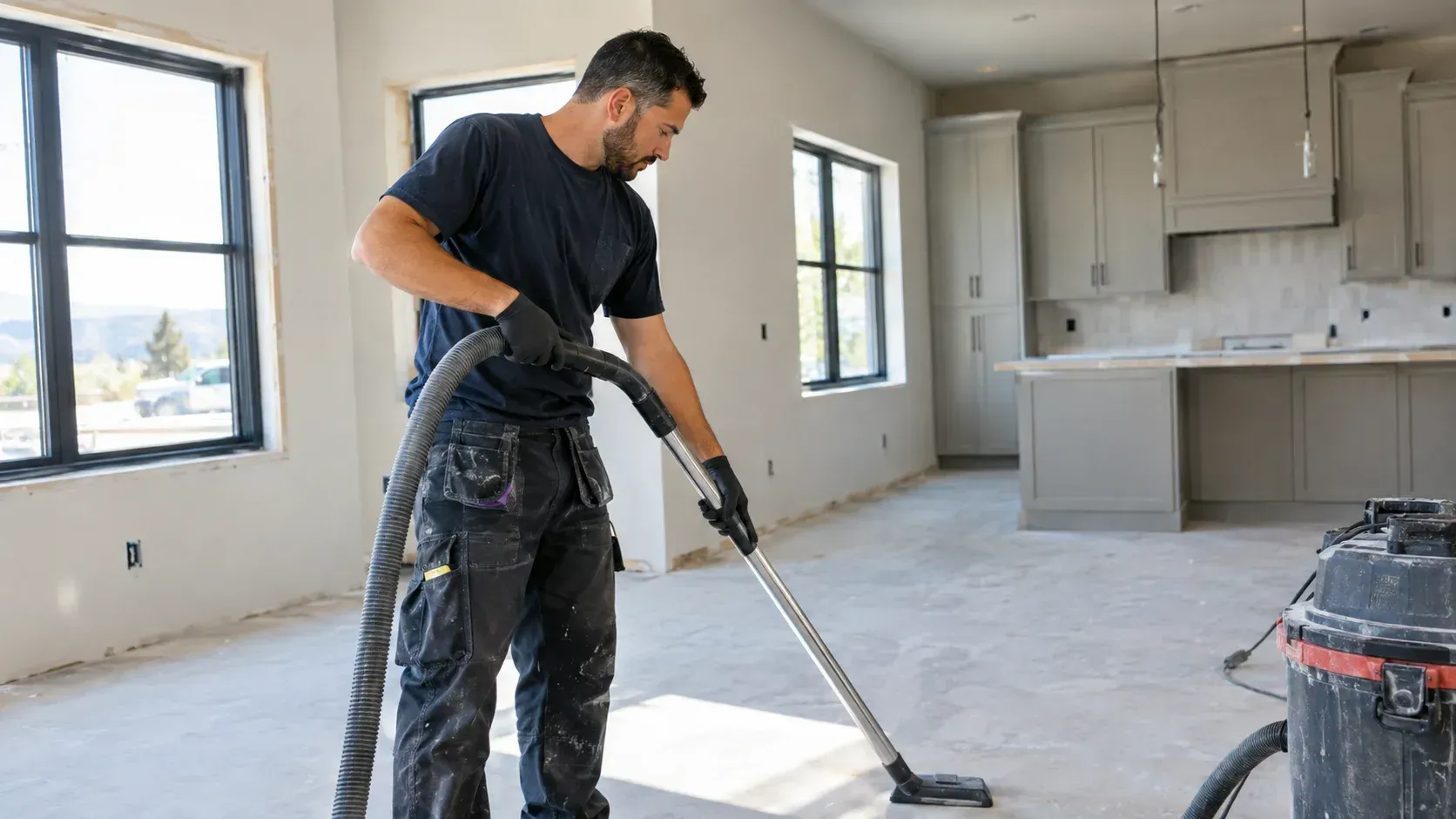
Table of Contents
- Introduction
- Post-Construction Cleaning Cost: What Actually Sets the Number
- The Phase Question Moves the Price Most
- New Construction Cleaning Is Not a Deep Clean
- What Else Drives the Cost
- Why Square Footage Alone Misleads
- What a Post-Construction Cleaning Estimate Should Cover
- How to Spend Less on It
- Conclusion
- Request a Post-Construction Cleaning Estimate
- Frequently Asked Questions
Key Takeaways
- There is no flat rate, and square footage alone is a poor predictor.
- How many cleaning phases the job needs is the biggest single factor.
- Construction dust is not house dust. It is finer, it is everywhere, and it keeps settling.
- Debris volume and disposal can be a large line on their own.
- An itemised estimate after a site visit is the only reliable number.
Introduction
There is no flat rate for post-construction cleaning, and the biggest driver of the price is not the size of the build. It is how many cleaning phases the job needs and how much dust and debris the trades left behind.
Two houses of identical square footage can price very differently. One had tidy crews and a single clean before handover. The other needs a rough clean, a final clean and a touch-up after the last trades finish.
Here is what actually sets the number. Post-construction cleaning here starts with a site assessment for exactly this reason.
Post-Construction Cleaning Cost: What Actually Sets the Number
In rough order of impact:
- How many phases the job needs
- How much debris is left and who disposes of it
- Dust severity, which depends on the trades and the weather
- Surface types, particularly floors and glass
- Window count, and whether there are stickers and paint splatter
- Access, including stairs, lifts and parking
- Timeline pressure, especially weekend or overnight work
- Square footage, which matters but less than people assume
Notice that size sits last. That surprises people and it is the single most useful thing to understand before you get quotes.
The Phase Question Moves the Price Most
Construction cleaning is usually not one visit. Builders generally work through three stages, and how many you need changes the cost more than anything else.
Rough clean. After the heavy work, before finishes go in. Bulk debris out, surfaces cleared so the next trades can work. It is not about making anything look good.
Final clean. The detailed one. Dust off every surface, glass done, floors cleaned properly, fixtures and appliances wiped, high-touch surfaces sanitised, trim and baseboards detailed.
Touch-up clean. After the last trades leave and before handover or move-in. Catching whatever got marked, tracked in or dusted again in the final days.
Some projects need all three. Some need only the final clean because the site was kept tidy and the schedule allowed it. Ask which phases a quote covers before you compare two numbers, because a quote for one phase and a quote for three are not comparable in any useful way.
Timing matters here too. Cleaning is generally scheduled once construction is substantially complete and before the property is occupied. Booking it too early means paying to clean a site that is about to get dusty again, and when to schedule it is worth sorting out before the quote.
New Construction Cleaning Is Not a Deep Clean
People sometimes ask why it costs more than a regular deep clean of the same house. The work is genuinely different.
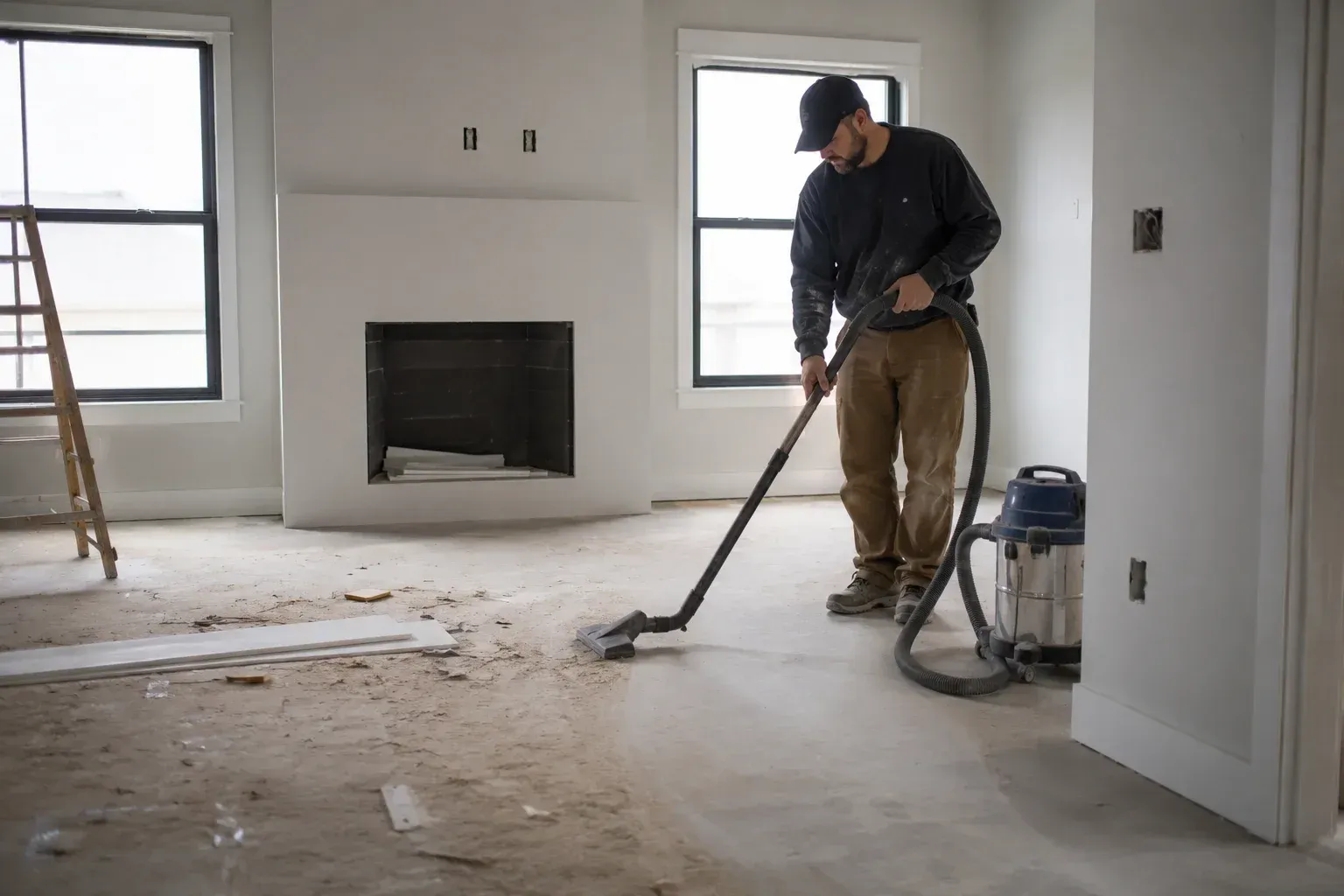
- Construction dust is finer than household dust and it travels. It settles in vents and ducts, on top of door frames, behind appliances and inside cabinets.
- It keeps resettling. You clean a room, and an hour later there is a film again. That is why one pass is often not enough.
- There is residue to remove, not just dirt. Stickers on glass, paint splatter, adhesive, drywall compound, grout haze.
- There is physical debris, including offcuts, packaging and fixings.
- Surfaces are new and unforgiving. Wrong product or wrong technique on new finishes creates damage rather than cleanliness.
- Nothing has been cleaned before. There is no baseline to maintain.
A deep clean restores a house that has been lived in. This makes a building site into a home.
What post-construction cleaning includes goes through the task list in detail.
What Else Drives the Cost
The variables that move quotes up or down, with what you can actually do about each.
- Debris volume and disposal. Who hauls it, and is a dumpster already on site? This can be a large line on its own.
- Floor types. Hardwood, tile, carpet and concrete each need different treatment, and a mix costs more than one surface throughout.
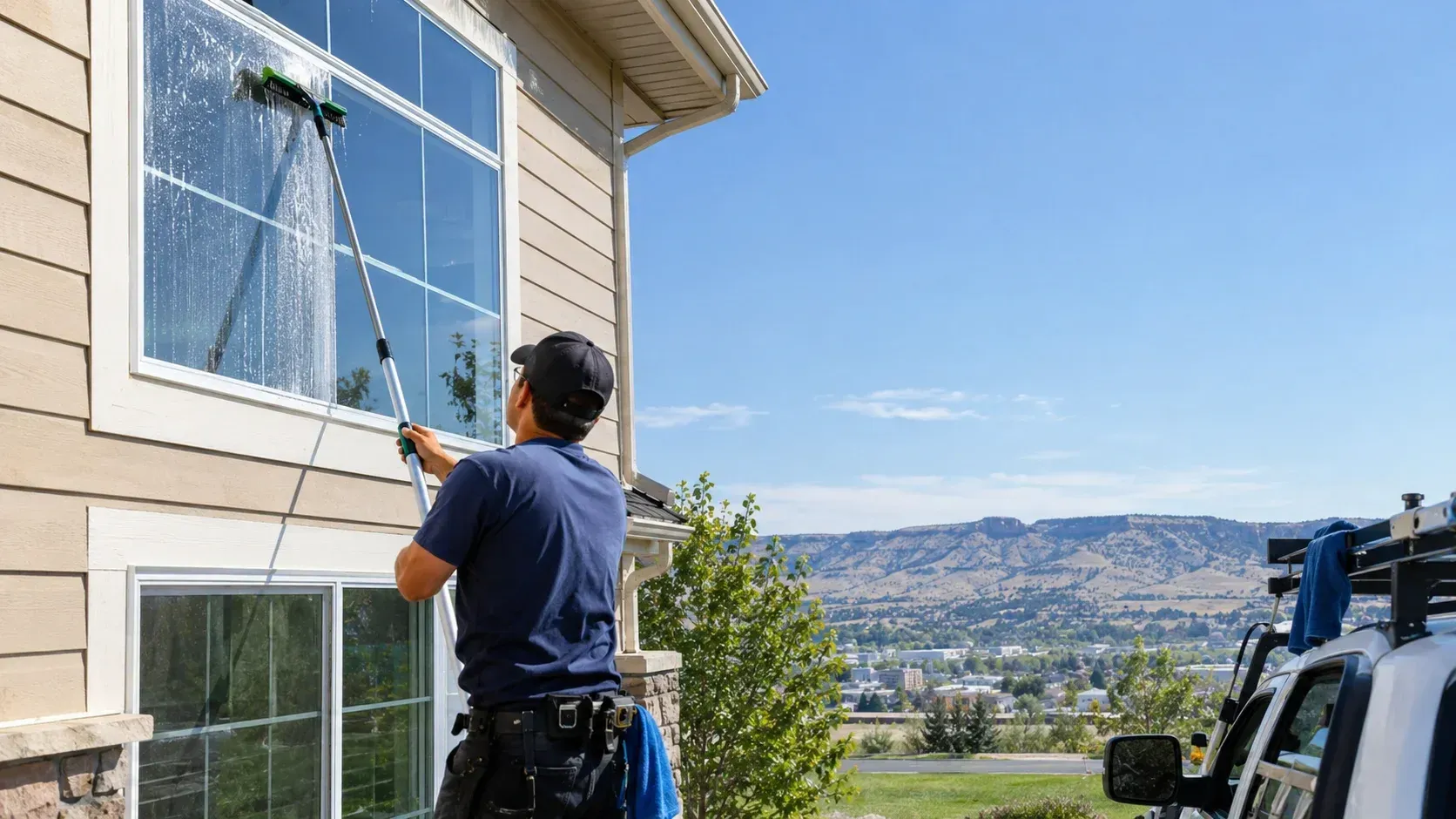
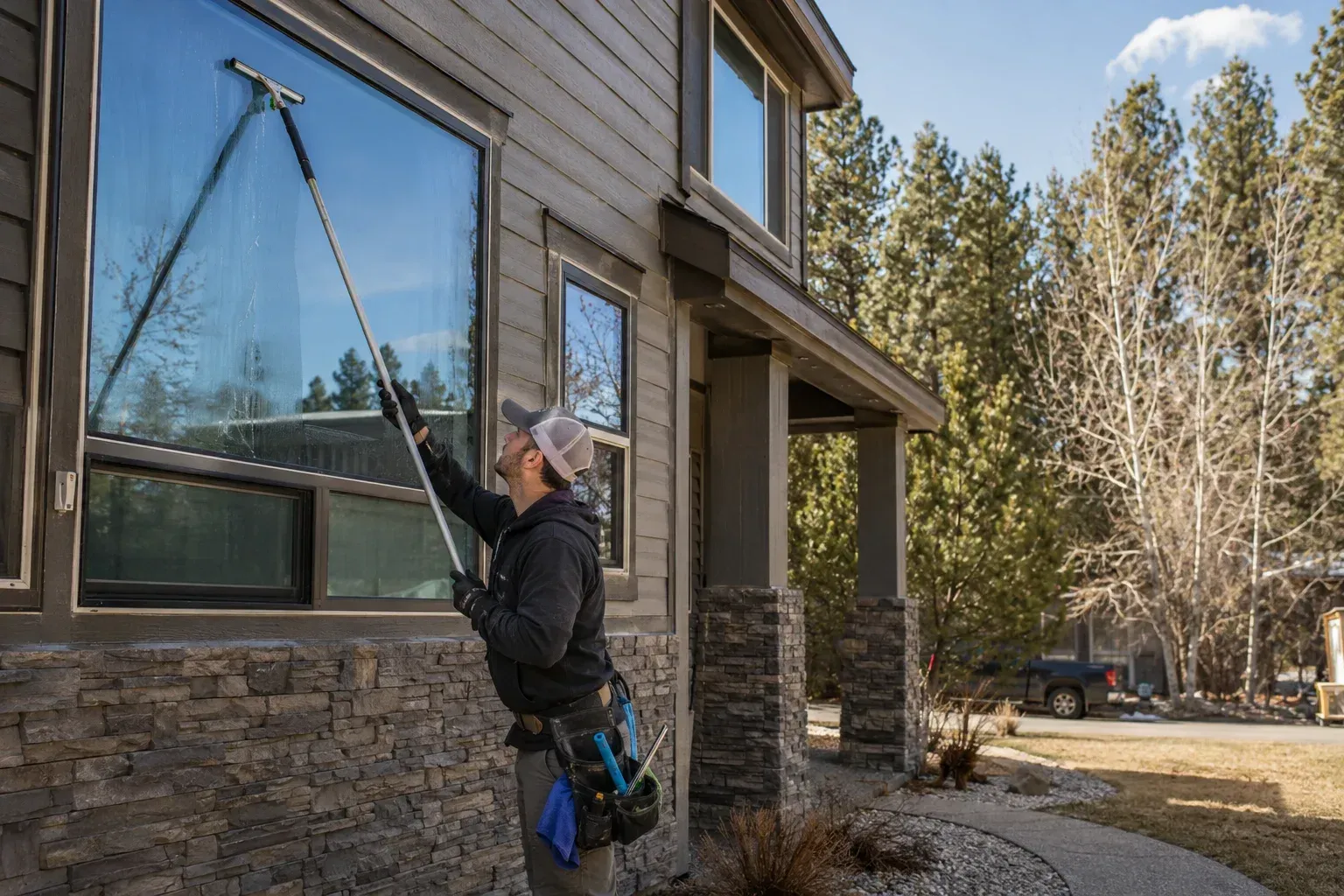
- Glass. Window count, plus whether there are manufacturer stickers and paint splatter to remove. Sticker removal is slow work.
- Ceiling height. Tall ceilings mean equipment and time for light fixtures, vents and the tops of things.
- Bathrooms and kitchens. Fixture-heavy rooms take disproportionately longer.
- Cabinet interiors. Dust gets inside. Confirm whether interiors are included.
- Trades still working. If anyone is still on site, expect to clean twice.
- Deadline. Compressed schedules, weekends and evenings cost more.
Why Square Footage Alone Misleads
A per-square-foot number sounds like a tidy way to budget. It is not, for a straightforward reason.
The same floor area can mean a simple open-plan build with one floor finish and modest glazing, or a heavily glazed house with four bathrooms, tall ceilings, mixed flooring and a lot of trim. The second one is far more work and the floor area does not say so.
So treat any published per-square-foot figure as a rough sense of scale rather than a budget. It cannot know your window count, your floor mix or how tidy your crews were.
This is also why a site assessment comes first. Someone has to see what the trades actually left.
What a Post-Construction Cleaning Estimate Should Cover
An estimate you can rely on should spell out:
- Which phases are included
- Which areas, including garage, basement, exterior and whether they are in or out
- Whether cabinet and closet interiors are included
- Window treatment, including stickers and paint removal
- Floor treatment by surface type
- Debris removal and disposal, and who provides the dumpster
- Vents and ducts
- How many people and how long
- What happens if trades return and it needs doing again
- The walk-through at the end
A single number with no breakdown cannot be compared with anything. Ask for the detail.
How to Spend Less on It
Things that genuinely reduce the bill:
- Keep the site tidier as you go. The cheapest cleaning is the cleaning you do not need.
- Have a dumpster on site before the cleaners arrive.
- Schedule once trades are genuinely finished. Cleaning twice costs twice.
- Decide what is actually needed. Not every build needs all three phases.
- Book ahead rather than needing it tomorrow.
- Confirm scope precisely, so nothing is a surprise either way.
What not to skip: the final clean before handover or occupancy. Moving into a house full of construction dust means living with it for months, because it keeps resettling out of vents and cavities long after the trades have gone.
If you want a sense of how this goes for other projects locally, what clients say about the work is worth a look.
Conclusion
No flat rate exists, and square footage is a weaker predictor than most people expect. What sets the number is how many phases the job needs, how much debris is left, and how heavily the dust got into everything.
Settle the phase question first. Then get a site assessment and an itemised estimate, and make sure any two quotes you are comparing cover the same phases.
And do not skip the final clean. Construction dust you move into is construction dust you live with.
Request a Post-Construction Cleaning Estimate
The useful starting point is someone walking the site and seeing what the trades left.
Our process starts with an initial site assessment and a customized cleaning plan aligned with your timeline and budget. That covers complete dust and debris removal including hidden areas like vents, ducts and behind appliances; glass cleaned of stickers, paint splatter and construction residue; hardwood, tile, carpet and concrete floors; sanitising high-touch surfaces; fixtures and built-in appliances; and final touches and detailing on doors, trim and baseboards. We finish with quality control, final inspections, any necessary touch-ups, and a client walk-through.
Estimates are free.
Tell us the square footage, the stage the build is at, and whether trades have finished, and we can be useful quickly. Call
(406) 812-0327, Monday to Friday 8am to 6pm. We serve
Billings, Lockwood, Laurel and Park City.
Frequently Asked Questions
Why can't you quote a flat rate?
Because the same square footage can mean very different jobs. Phase count, debris volume, window count, floor mix and how tidy the crews were all move the number more than floor area does.
How many cleaning phases do I need?
It depends on how the build ran. Some projects need a rough clean, a final clean and a touch-up. Others only need the final clean. Settle this before comparing quotes, because phase count is the biggest cost difference.
Is post-construction cleaning more expensive than a deep clean?
Usually yes, and for good reason. Construction dust is finer and settles everywhere, there is residue and debris to remove rather than just dirt, and new surfaces need careful handling.
When should it be scheduled?
Generally once construction is substantially complete and before the property is occupied. Booking while trades are still working usually means paying to clean the same space twice.
Can I skip it and clean myself?
You can, and most people underestimate it badly. Construction dust keeps resettling out of vents and cavities for weeks, which is why one pass with a household vacuum rarely holds.
Related Posts