What Does Post-Construction Cleaning Include for New Builds in Lockwood, Montana?
Key Takeaways
- Post-construction cleaning removes the fine dust, debris, adhesive residue, and installation marks left behind after a build or renovation, preparing a space for occupancy.
- It usually happens in stages, often a rough clean, a detailed final clean, and sometimes a touch-up after final inspections or move-in prep.
- Construction dust is extremely fine and settles into vents, tracks, and surfaces that standard cleaning does not reach, which is why the process differs from regular house cleaning.
- The work covers every surface: floors, windows, fixtures, cabinets, trim, vents, and often the removal of stickers, labels, and paint or grout residue.
- Timing and scope should be agreed on in advance, since what is included can vary and some tasks depend on when trades finish their work.
Introduction
Post-construction cleaning includes removing all the dust, debris, and residue left behind after a build or renovation, then detailing every surface so the space is ready to use. That means clearing out construction dust, wiping down walls and fixtures, cleaning windows and floors, and removing stickers, labels, adhesive, and paint or grout marks from the finished work.
For homeowners, builders, and contractors in the Lockwood and Billings area, this is the step between a finished build and a livable space. A newly completed home or office looks done, but the fine dust and installation debris left behind make it far from ready to move into.
This guide walks through what the process covers, how it is usually staged, and where its limits are. It reflects the scope a post-construction cleaning service typically handles, so you know what to expect and what to confirm before the crew arrives.
What Post-Construction Cleaning Actually Means
Post-construction cleaning is the final cleanup after building work is finished. It is not the same as regular house cleaning, and it is not debris hauling either, though the lines can blur.
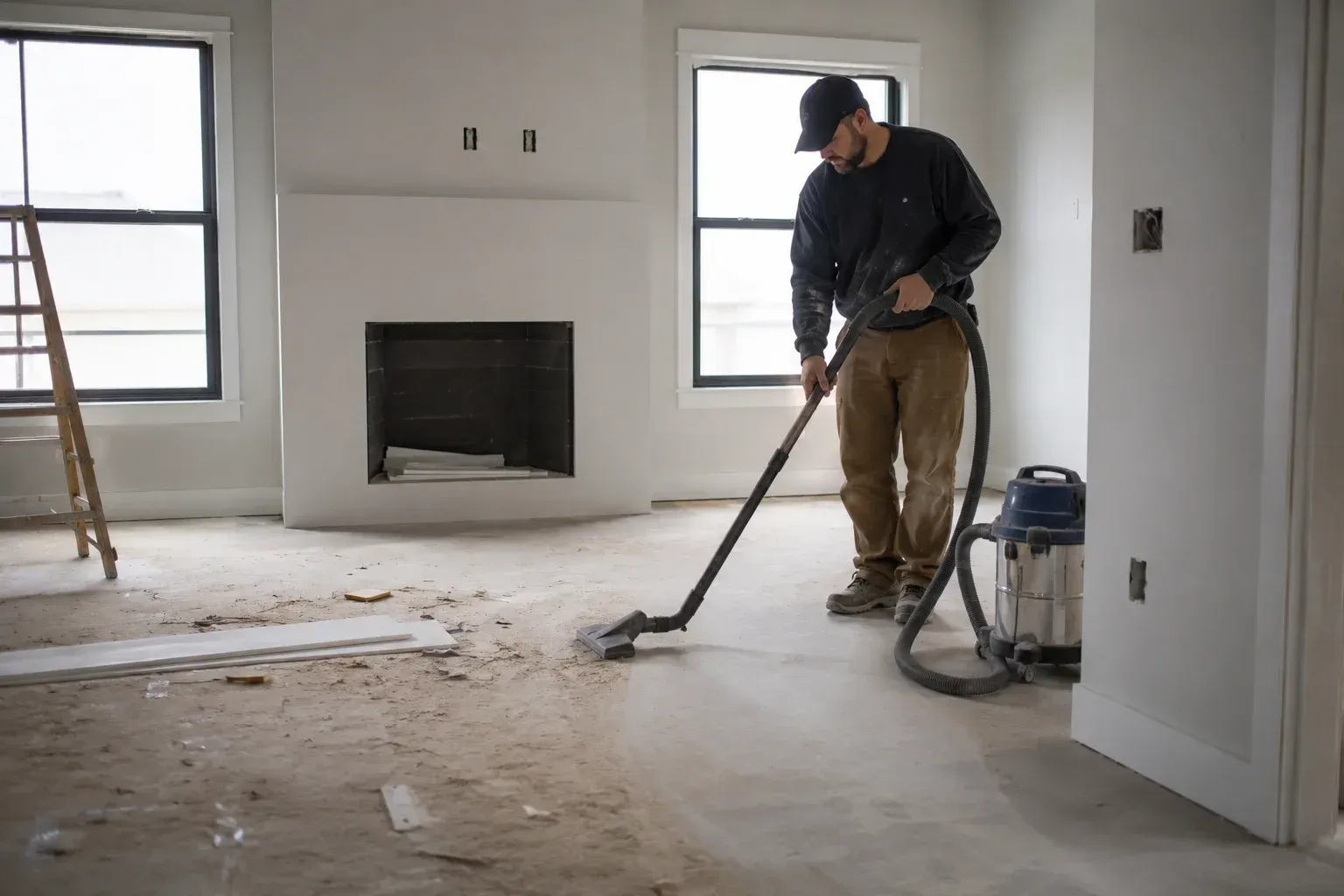
The goal is to take a space from construction-complete to occupancy-ready. Trades leave behind sawdust, drywall dust, joint compound, paint spatter, adhesive, and the fine grit that coats everything after cutting, sanding, and installing.
New construction cleaning deals with materials that regular cleaning never touches. Grout haze on tile, silicone smears on glass, and label adhesive on new appliances all need specific handling.
Because it happens once, at the end of a project, getting the scope right matters. A missed step here shows up the day someone tries to move in.
The Stages of a Post-Construction Clean
Larger projects are usually cleaned in phases rather than one pass. Each phase has a different purpose and timing.
Rough Clean. This happens after the major trades finish but before final fixtures go in. It focuses on removing large debris, sweeping, and clearing surfaces so remaining work can proceed. It is the heavy-lifting stage.
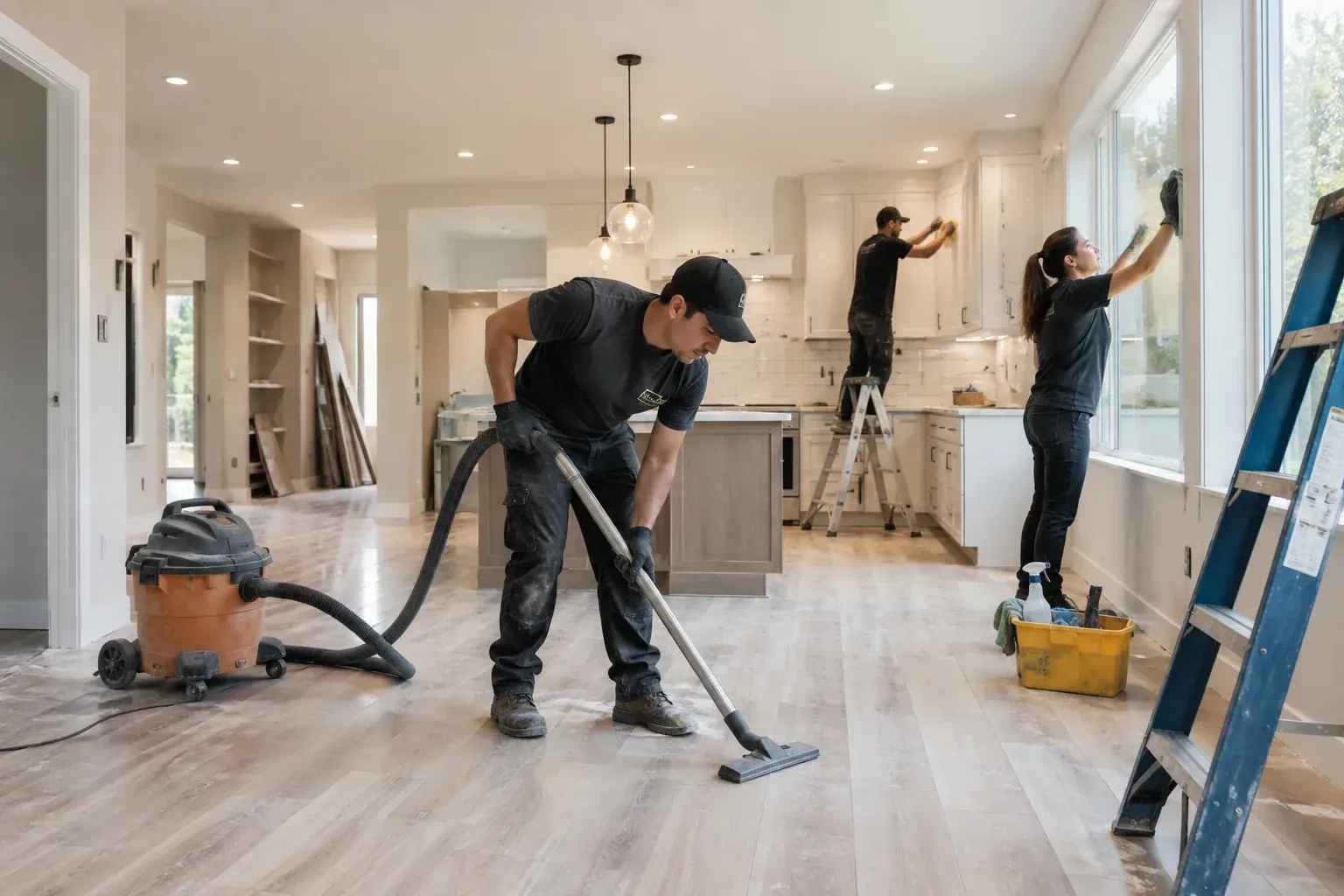
Final Clean. This is the detailed pass most people picture. It covers dusting every surface, cleaning windows and floors, wiping fixtures and cabinets, and removing residue and marks. This stage brings the space to a presentable, usable state.
Touch-Up Clean. Sometimes a third pass follows, after final inspections, punch-list fixes, or furniture delivery. It handles the dust and marks that appear once people start moving through the finished space again.
Smaller renovations may combine these into a single visit. The right number of stages depends on the size of the project and how many trades were involved.
Room-by-Room: What Gets Cleaned
The final clean is thorough by design. While the exact checklist varies, most cover the same core areas.
Floors. All floor types are cleaned according to their material. Hardwood, tile, laminate, and concrete each need different handling, and grout lines often need extra attention to remove haze. Carpet is vacuumed thoroughly, sometimes more than once, because dust settles deep into new fibers.
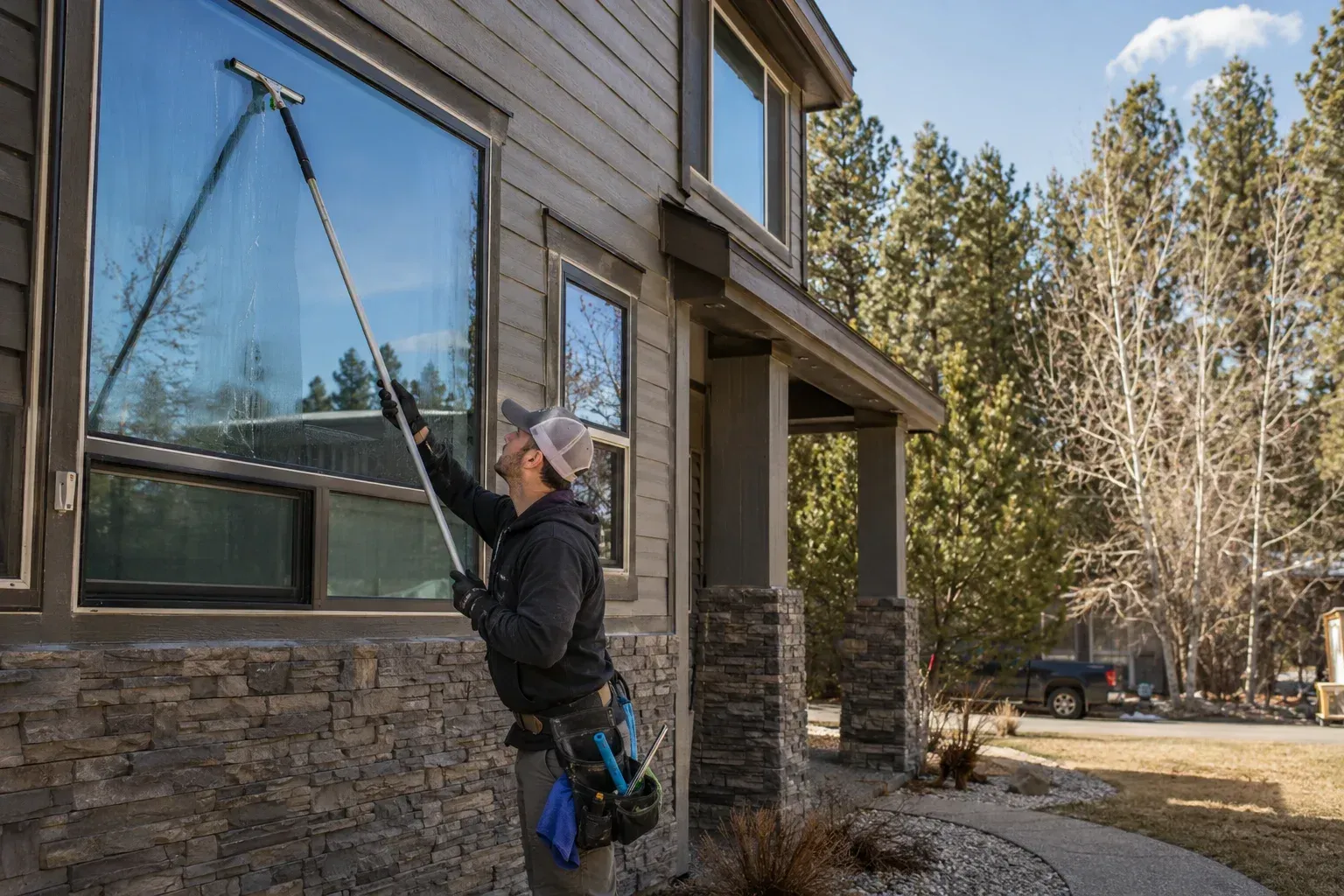
Windows and Glass. Interior and often exterior glass, plus frames, sills, and tracks. Thorough window cleaning matters here because tracks in particular collect construction debris that jams new windows if left in place. Paint specks and adhesive labels are removed from the glass.
Kitchens and Bathrooms. Cabinets are wiped inside and out, countertops cleaned, sinks and fixtures detailed, and appliance stickers and protective film removed. Tile and grout get close attention here, and new fixtures are polished free of installation fingerprints.
Walls, Trim, and Doors. Walls are spot-cleaned for smudges and dust, and baseboards, trim, and door frames are wiped down. These collect a surprising amount of fine dust that is easy to miss until light hits them.
Vents, Fixtures, and High Surfaces. Air vents and returns, light fixtures, ceiling fans, and the tops of doors and cabinets. Vents matter most, since construction dust pulled into the system can circulate for weeks otherwise.
Why Construction Dust Requires a Different Approach
Construction dust is the main reason this is a specialized job. Drywall dust and sanding residue are far finer than household dust, and they travel everywhere.
The particles are light enough to stay airborne for hours and settle into places ordinary cleaning skips: inside cabinets, on top of trim, in window tracks, and throughout the HVAC system. Wiping alone often just moves it around.
Because of this, the work usually relies on vacuums with fine filtration and a top-down method, cleaning high surfaces first so dust that falls is captured on the later floor pass. Doing it in the wrong order means re-cleaning surfaces two or three times.
There is a practical limit worth knowing. Even a thorough clean does not remove every trace of ultra-fine dust from a system that ran during construction, which is why changing HVAC filters after move-in is a common follow-up. That is an HVAC task, not a cleaning one.
What Is Usually Not Included
Being clear about the boundaries helps avoid surprises. A few things typically fall outside a standard post-construction clean.
Large debris removal and dumpster hauling are often the contractor's responsibility, not the cleaning crew's, though some providers handle light debris. Confirm this in advance.
Repairs, touch-up painting, and fixing installation defects are construction work, not cleaning. A crew will clean around a flaw but will not correct it.
Ongoing maintenance cleaning is a separate service. Once a home or office is occupied, regular upkeep usually shifts to a standard residential cleaning or commercial schedule rather than the one-time construction clean.
Specialized restoration, like fixing scratched glass or etched surfaces, is also outside the normal scope and may require a specialist.
How to Prepare for a Post-Construction Clean
A little coordination makes the clean go smoother and helps avoid redone work.
Schedule the final clean after the trades are truly finished. If painters or installers return afterward, they bring new dust, and the space needs cleaning again. Timing it around the real completion date saves money.
Make sure utilities are on. Cleaning needs running water and working power, and it is easy to overlook that a brand-new build may not have both connected yet.
Walk the space with the provider beforehand if you can, and agree on the scope in writing. Confirm who handles debris, whether exterior windows are included, and how many stages the project needs. Clear expectations up front are the best way to make sure the finished result matches what you had in mind.
Conclusion
Post-construction cleaning takes a finished build from construction-complete to ready to use. It includes removing fine construction dust, clearing debris, detailing floors, windows, cabinets, and fixtures, and stripping away the stickers, adhesive, and installation marks that come with new work. On larger projects it happens in stages, from a rough clean through a detailed final clean and sometimes a touch-up.
The reason it is a distinct service comes down to the dust. Construction dust is finer and more pervasive than ordinary dirt, and it settles into vents, tracks, and surfaces that standard cleaning does not reach. The process also has clear limits, since debris hauling, repairs, and ongoing maintenance usually fall outside it.
The most useful thing you can do is agree on scope and timing before the crew arrives, so the clean-up happens after the work is truly done and covers exactly what your project needs.
Getting Close to Move-In on Your New Build?
Every project finishes a little differently, and the right cleaning scope depends on the size of the build, the trades involved, and your timeline. If you want help thinking through what your new build or renovation will need before move-in, contact us with your questions. There is no pressure and nothing to commit to, just clear guidance so you can plan the final step with confidence.
Frequently Asked Questions
What does post-construction cleaning include?
It includes removing construction dust and debris, cleaning floors, windows, and fixtures, wiping cabinets inside and out, cleaning vents and high surfaces, and removing stickers, adhesive, and paint or grout residue. The goal is to make a finished build ready to occupy.
How is post-construction cleaning different from regular cleaning?
It deals with materials regular cleaning never encounters, like drywall dust, grout haze, and adhesive residue. Construction dust is far finer and settles into vents, tracks, and surfaces that standard cleaning skips, so it requires a top-down method and fine filtration.
How many cleaning stages does a new build need?
It depends on the project size. Large builds often use a rough clean, a detailed final clean, and sometimes a touch-up after inspections or move-in. Smaller renovations may only need a single detailed visit.
Does post-construction cleaning include debris and trash removal?
Not always. Large debris and dumpster hauling are often the contractor's responsibility, though some cleaning providers handle light debris. It is best to confirm who is responsible for debris before the clean is scheduled.
When should post-construction cleaning be scheduled?
After all trades have finished their work. If painters or installers return afterward, they create new dust and the space needs cleaning again. Scheduling around the true completion date avoids paying for repeated cleanings.
Do I need to change my HVAC filters after a build?
Generally yes. Even a thorough clean cannot remove every trace of fine dust from a system that ran during construction. Changing filters after move-in is a common follow-up, though it is handled by an HVAC provider rather than the cleaning crew.
Is post-construction cleaning only for new homes?
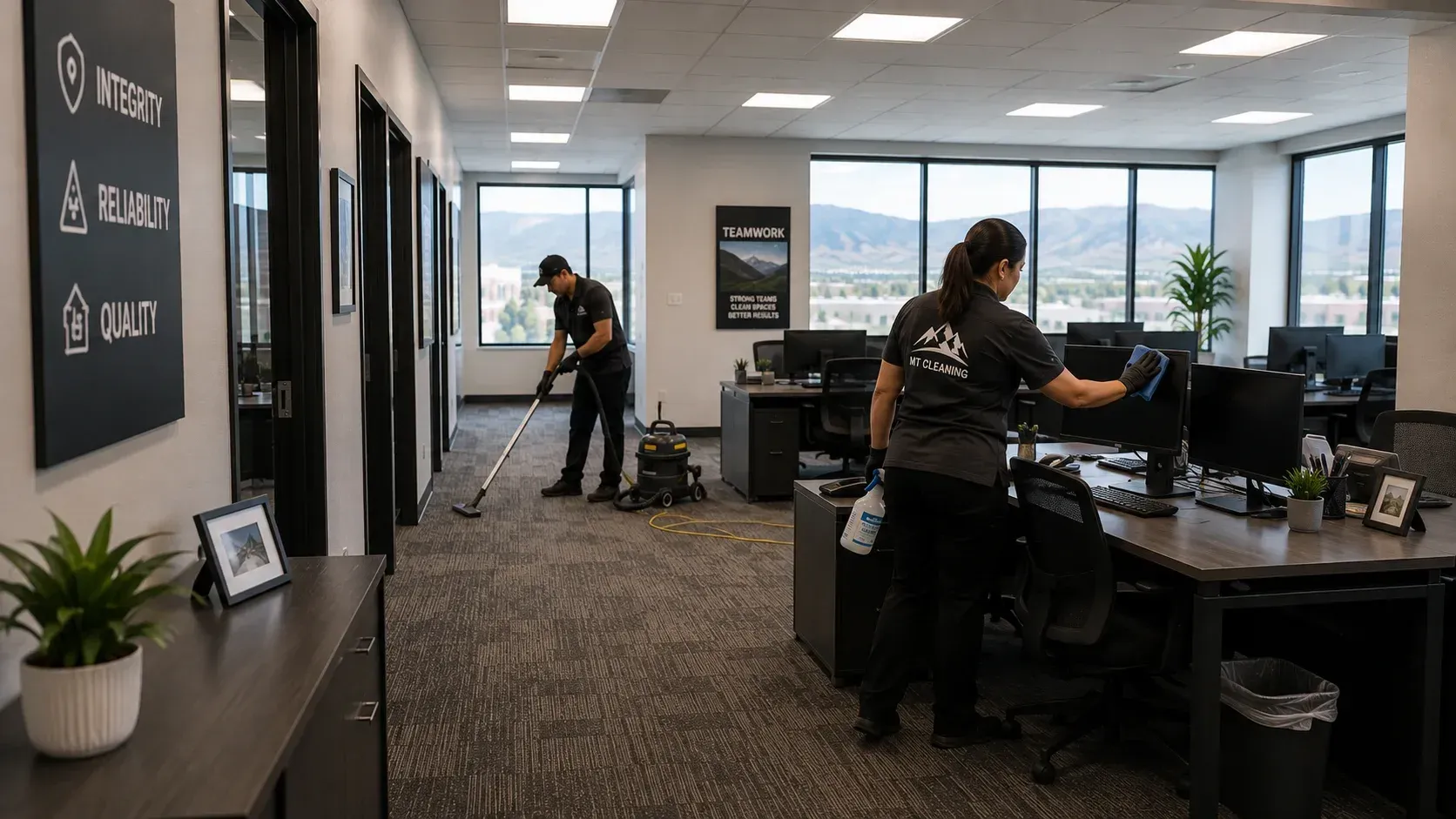
No. It applies to new builds, renovations, additions, and commercial build-outs. Any project that involves cutting, sanding, painting, or installation leaves behind the kind of dust and residue this service is designed to remove.
Related Posts