How Often Should Commercial Offices Be Professionally Cleaned in Billings, Montana?
Key Takeaways
- Most commercial offices in Billings do well with professional cleaning two to three times per week, though small low-traffic offices may only need weekly service and busy or specialized ones may need daily attention.
- Employee headcount and daily foot traffic are the biggest drivers of frequency. More people means faster buildup of dust, germs, and wear on high-touch surfaces.
- Industry matters. Medical, dental, food-related, and client-facing businesses usually need more frequent or more thorough cleaning than a quiet back-office operation.
- Not every task runs on the same schedule. Trash and restrooms may need daily attention while carpets and windows are handled monthly or quarterly.
- The most reliable way to set a schedule is to match cleaning tasks to how the space is actually used, then adjust after a few weeks of observation.
Introduction
Most commercial offices in Billings should be professionally cleaned two to three times per week, though the right number depends on office size, how many people use the space, and the type of business. A small office with a handful of employees may only need weekly service, while a busy or client-facing space can call for daily cleaning.
For business owners and office managers, this is a practical question with real tradeoffs. Clean too infrequently and dust, germs, and worn-looking common areas start to affect the workplace. Clean more often than the space needs and the budget takes a hit for little added benefit.
This guide breaks down the factors that set the right frequency, how different tasks run on different schedules, and how industry type shifts the answer. It reflects the same considerations a commercial cleaning provider weighs when building a plan for an office, so you can make the call with clear reasoning behind it.
Typical Cleaning Frequencies for Billings Offices
There is no single right number, but offices tend to land in a few common patterns based on size and use.
Small Offices (1 to 10 employees). Once or twice per week is often enough. With fewer people, dust and germ buildup is slower, and restrooms and kitchens see lighter use. Daily tidying can usually be handled in-house, with professional service covering the deeper work.
Mid-Size Offices (10 to 50 employees). Two to three times per week is common. At this size, restrooms, break rooms, and shared surfaces see enough traffic that weekly cleaning tends to fall behind. Splitting service across the week keeps common areas consistent.
Large Offices (50+ employees). Daily or near-daily cleaning is typical. High occupancy means restrooms, kitchens, and entry areas need attention every day, and trash volume alone often justifies it. Many larger offices combine daily light service with periodic deep cleaning.
Shared or Multi-Tenant Buildings. Frequency here depends on the lease and how common areas are managed. Lobbies, elevators, and shared restrooms usually need daily attention because they serve everyone in the building at once.
Factors That Determine How Often Your Office Needs Cleaning
Two offices of the same size can need very different schedules. These are the variables that carry the most weight.
Number of Employees and Foot Traffic. This is the single biggest factor. Each person adds contact with door handles, light switches, shared equipment, and restrooms. An office where clients and visitors come and go all day dirties faster than one with the same staff and no outside traffic.
Office Size and Layout. Square footage affects how long cleaning takes, but layout matters too. Open floor plans with shared desks spread germs across surfaces differently than private offices. Kitchens and restrooms are always the highest-demand areas regardless of layout.
Type of Work Being Done. A quiet accounting office and a busy design studio with materials, samples, and client meetings generate different messes. Work that involves food, physical materials, or heavy client contact raises the frequency.
Local Conditions in Billings. Montana's dry, dusty summers and long winters both push dust and grit indoors. Entry areas and floors near doors collect debris faster here than in milder, wetter climates, which can shorten the interval for those specific zones.
Matching Cleaning Tasks to Different Schedules
A good office cleaning schedule does not treat every task the same. Some things need daily attention and others make sense weekly or quarterly. Separating them is how offices avoid both overspending and neglect.
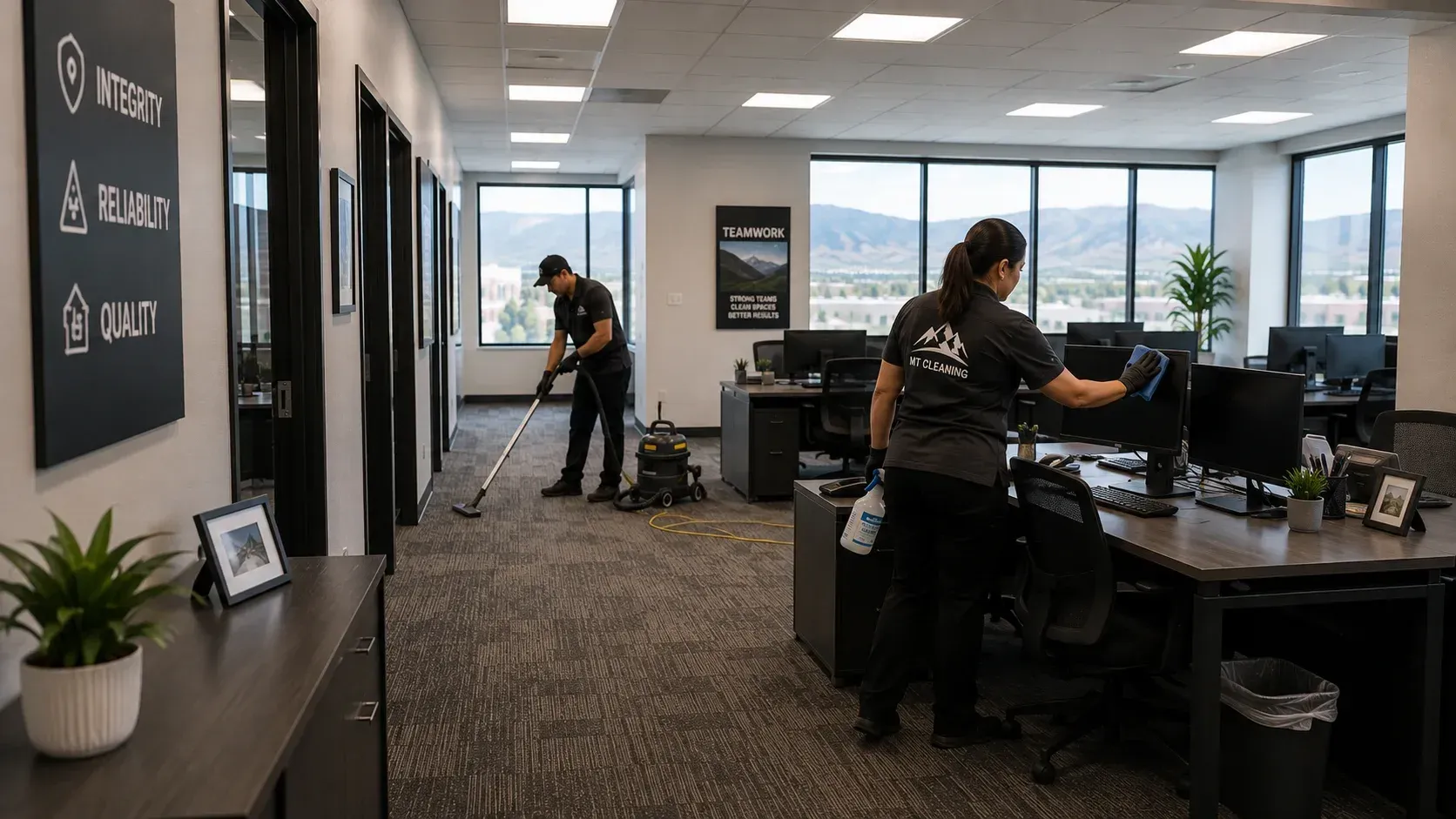
Daily or Every-Visit Tasks. Emptying trash, cleaning and restocking restrooms, wiping kitchen and break room surfaces, and spot-cleaning entry areas. These are the tasks people notice immediately when they slip.
Weekly Tasks. Vacuuming carpets, mopping hard floors, dusting desks and surfaces, and disinfecting high-touch points like handles and switches. Most offices anchor their schedule around this weekly core.
Monthly and Quarterly Tasks. Deep carpet cleaning, interior window cleaning, baseboards, vents, and high dusting. These do not need frequent attention, but skipping them for too long lets buildup reach a point where it takes far more effort to correct.
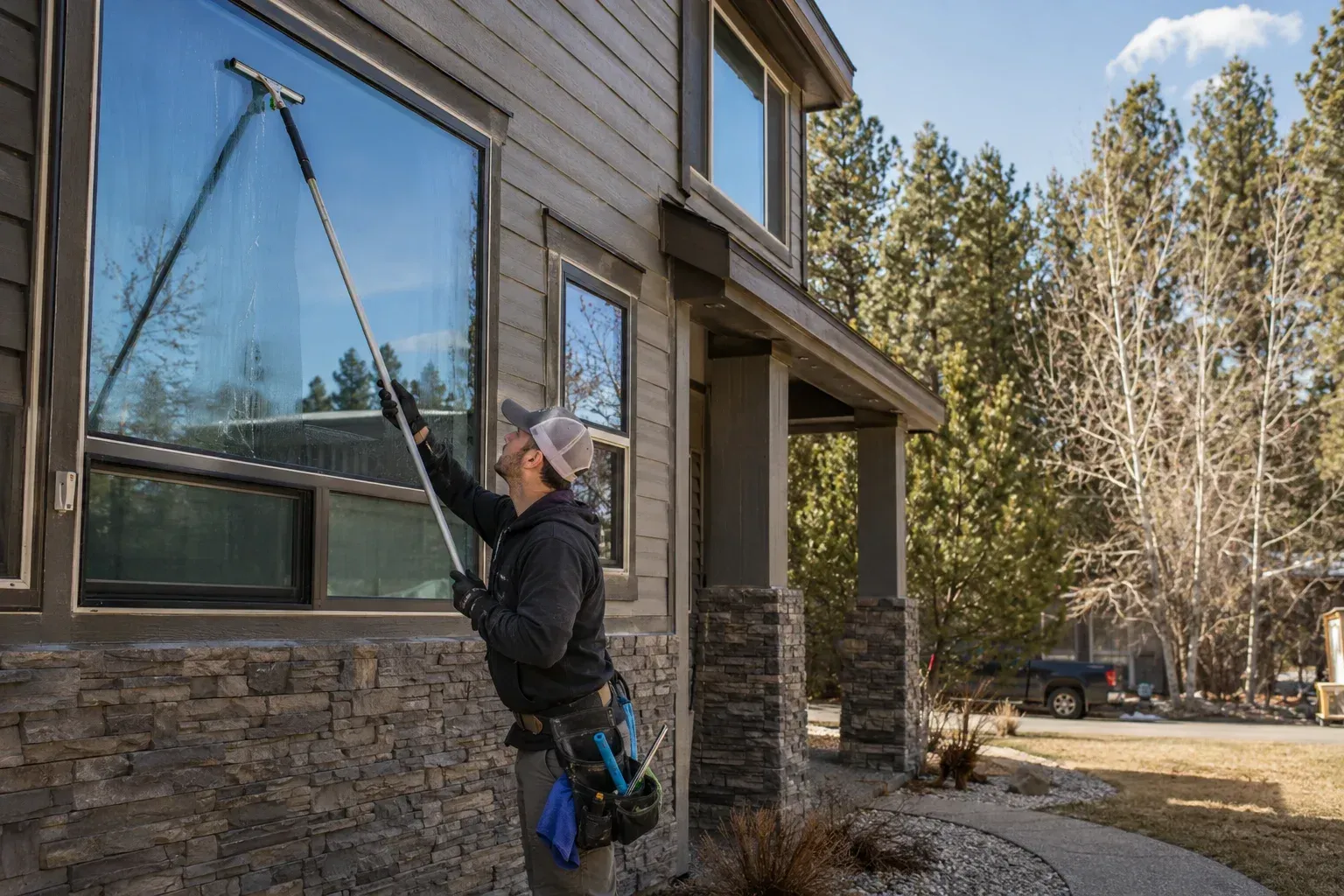
Seasonal and As-Needed Tasks. Exterior windows, post-event cleanups, and deep cleaning after a heavy dust or smoke stretch. Billings summers in particular can call for extra attention to glass and entryways.
How Industry Type Changes the Answer
Industry can override the general size guidelines entirely. Some sectors have cleanliness needs that a standard office schedule does not cover.
Medical and dental offices sit at the top. Exam rooms, waiting areas, and shared equipment need daily cleaning and disinfection, and many follow specific sanitation standards tied to their field. Perception matters too, since patients often read a facility's cleanliness as a signal about its care.
Food-related businesses, salons, and childcare settings also need more frequent and more thorough cleaning because of health regulations and constant surface contact. These are not places where a weekly schedule fits.
Client-facing offices like law firms, real estate offices, and financial practices may not have health-driven requirements, but appearance carries weight. A polished lobby and clean restrooms shape the impression a client forms before a word is spoken.
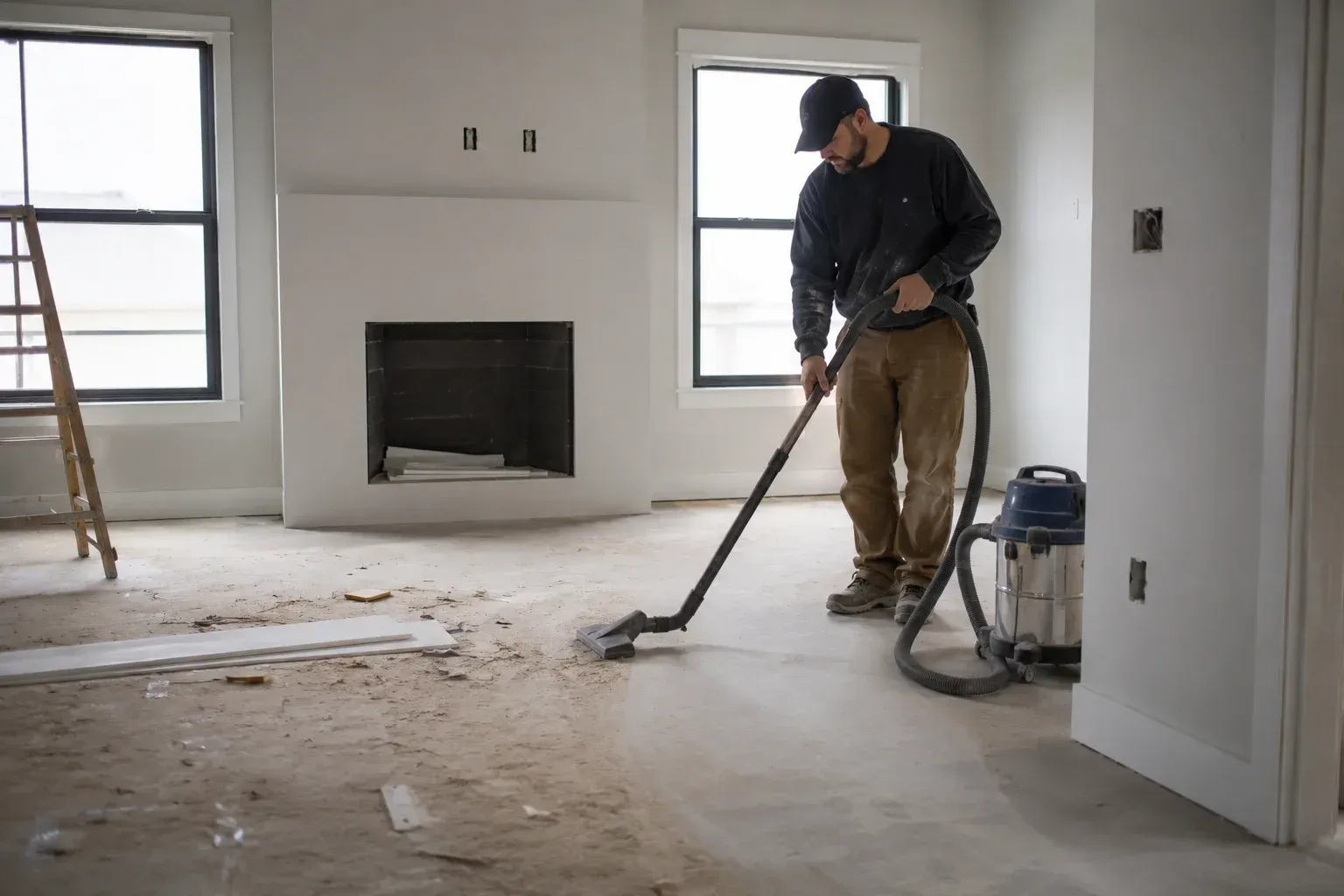
Back-office and industrial settings often need less frequent general cleaning, though shop floors and warehouses bring their own demands. Warehouses that finish a build-out phase, for example, usually need post-construction cleaning before regular service even begins.
Signs Your Current Schedule May Not Be Working
Sometimes the schedule needs adjusting and the building tells you before anyone complains. A few common signs are worth watching for.
Restrooms running low on supplies before the next cleaning, or looking used by midday, usually means the frequency is behind demand. Overflowing bins are a similar signal.
Visible dust returning within a day or two of cleaning can point to either a local dust issue or a schedule that is stretched too thin. Recurring complaints about kitchen or break room cleanliness tend to mean shared spaces are outpacing the current plan.
On the other side, if the office consistently looks spotless and staff rarely notice the cleaning happening at all, the current frequency may be more than the space needs. That is worth a conversation too, since it may free up budget without a real downside.
Setting a Schedule That Fits Your Office
A sensible process is to start with the range for your office size, adjust for your industry and traffic, then observe. Pick a schedule, run it for three or four weeks, and note where the space falls behind or stays ahead.
Separate the tasks by frequency rather than buying one blanket plan. Daily essentials, a weekly core, and periodic deep work usually cost less together than treating everything as high-frequency.
Finally, ask any provider to explain the reasoning behind the schedule they suggest. A recommendation should connect to your headcount, your industry, and your space, not a generic template. If the reasoning is not clear, keep asking until it is.
Conclusion
Most Billings offices need professional cleaning two to three times per week, with small offices trending toward weekly service and large, busy, or specialized offices moving toward daily attention. The right frequency comes from your headcount and foot traffic, your office size and layout, the kind of work you do, and your industry's specific requirements.
The practical key is that not every task runs on the same clock. Restrooms and trash need daily care while carpets and windows are handled monthly or quarterly, and building the schedule around that difference is how offices stay clean without overspending.
The soundest approach is to match cleaning tasks to how your space is actually used, run the schedule for a few weeks, and adjust based on what you observe rather than a fixed rule.
Trying to Figure Out the Right Cleaning Schedule for Your Office?
Every office sits in its own mix of size, traffic, and industry demands, so the schedule that fits one business may not fit yours. If you want a second opinion on how often your space really needs cleaning, or help sorting daily tasks from periodic ones, contact us with your questions. There is no pressure and nothing to commit to, just clear information so you can decide what makes sense for your workplace.
Frequently Asked Questions
How often should commercial offices be professionally cleaned in Billings?
Most offices do well with cleaning two to three times per week. Small low-traffic offices may only need weekly service, while large, busy, or client-facing offices often need daily cleaning. Headcount, industry, and how the space is used set the exact frequency.
Does office size or number of employees matter more for cleaning frequency?
Employee count and foot traffic usually matter more. Size affects how long cleaning takes, but the number of people using restrooms, kitchens, and shared surfaces drives how quickly a space gets dirty and needs attention again.
Do all cleaning tasks need to happen on the same schedule?
No. Trash, restrooms, and kitchen surfaces typically need daily or every-visit attention, while vacuuming and dusting run weekly and carpet cleaning, windows, and high dusting are handled monthly or quarterly. Separating tasks by frequency is common practice.
Why do medical and dental offices need more frequent cleaning?
Healthcare settings involve shared equipment, exam rooms, and waiting areas with constant contact, and many follow specific sanitation standards for their field. Cleanliness also shapes how patients perceive the quality of care they receive.
Can an office be cleaned too often?
It can be more than a space needs. If the office consistently looks spotless and shared areas never fall behind, the schedule may exceed demand. Reviewing frequency in that case can reduce cost without a meaningful drop in cleanliness.
How does Montana's climate affect office cleaning needs?
Dry, dusty summers and long winters both push dust, grit, and moisture indoors. Entry areas and floors near doors collect debris faster than in milder climates, which can call for more frequent attention to those specific zones.
How do I know if my current cleaning schedule is falling behind?
Common signs include restrooms running low on supplies before the next service, dust returning within a day or two, overflowing bins, and recurring complaints about shared spaces. These usually mean the frequency is behind how the office is actually being used.
Related Posts